


By: Robert Tate, award-winning automotive historian and researcher
Images courtesy of GM Heritage Archives & Special Collections.
MotorCities Story of the Week
The 1963 Buick Riviera was introduced on Oct. 4, 1962. Some automotive historians have considered the 1963 Buick Riviera one of the best-looking automobiles General Motors ever produced. Sergio Pininfarina, the renowned Italian automotive designer, called the 1963 Riviera one of the most beautiful American cars ever built. The model represented a unique approach to Buick styling that many consumers admired. The 1963 Buick Riviera was developed to compete with the popular Ford Thunderbird and gave Buick a distinctive automobile in the growing personal luxury car market.
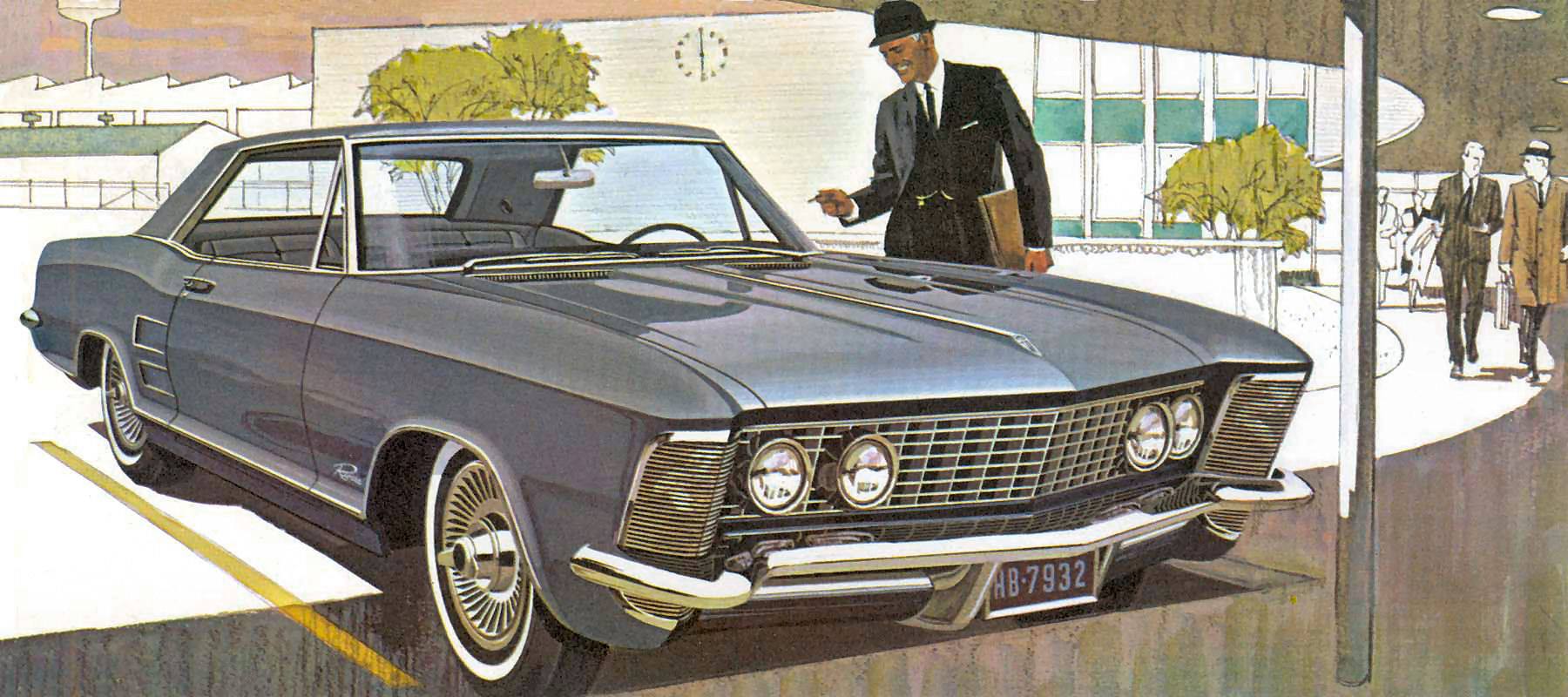
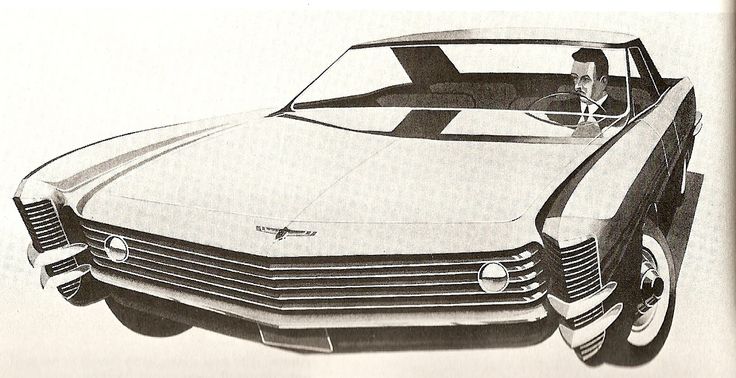
Ned Nickles proposal for the 1963 Buick Riviera.
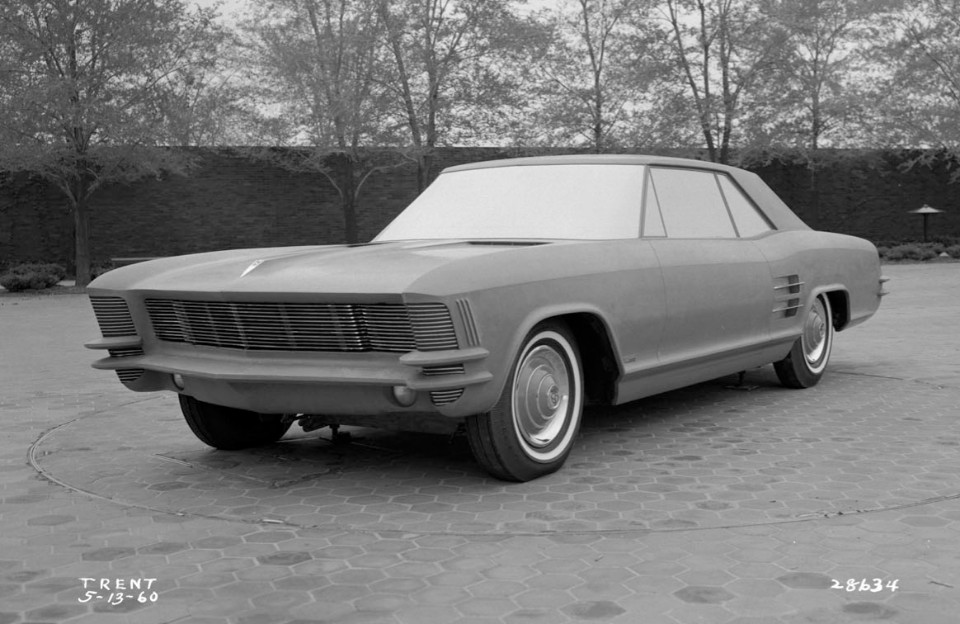
Full size clay model 1963 Buick Riviera.
The Riviera name had been used by Buick since 1949. However, the 1963 Riviera was the first Buick to use Riviera as the name of a distinct, newly designed model. The 1963-1964 Buick Riviera was developed under the direction of General Motors design chief Bill Mitchell, with designer Ned Nickles playing an important role in creating the car's distinctive styling. Nickles was working in GM's advanced projects area when the Riviera project was being developed.
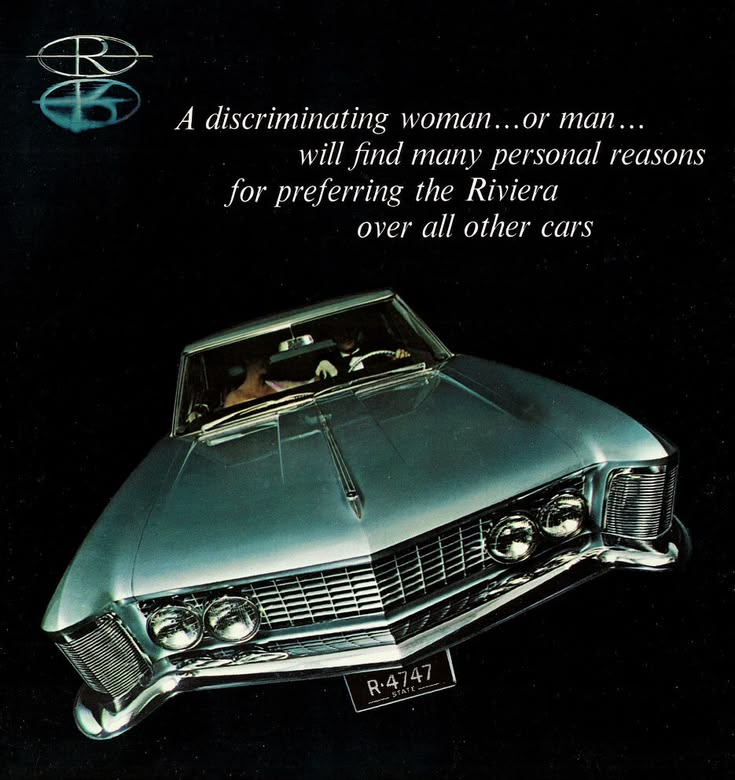
Image # 3- Front end view 1963 Buick Riviera.
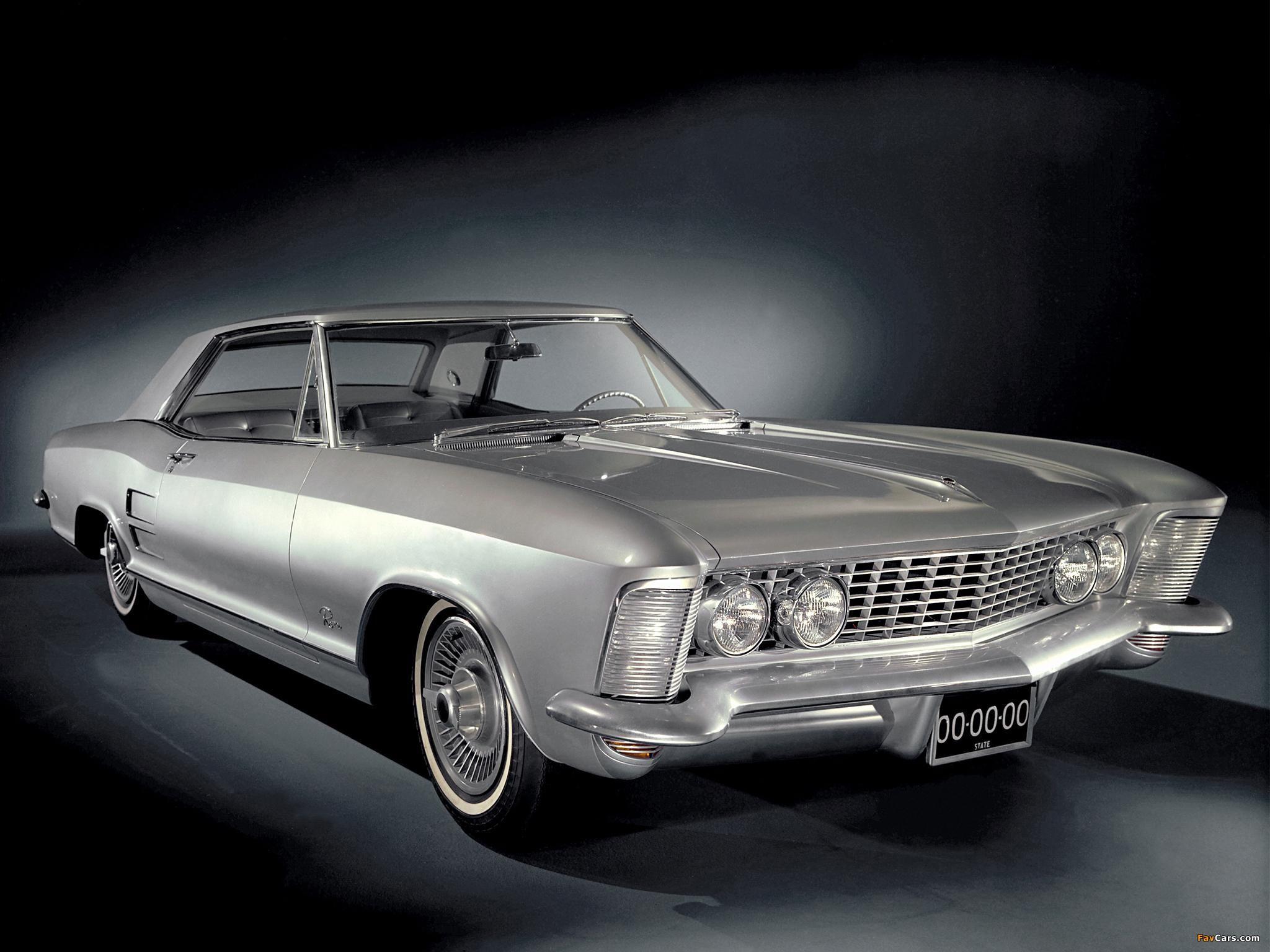
Silver Buick Riviera.
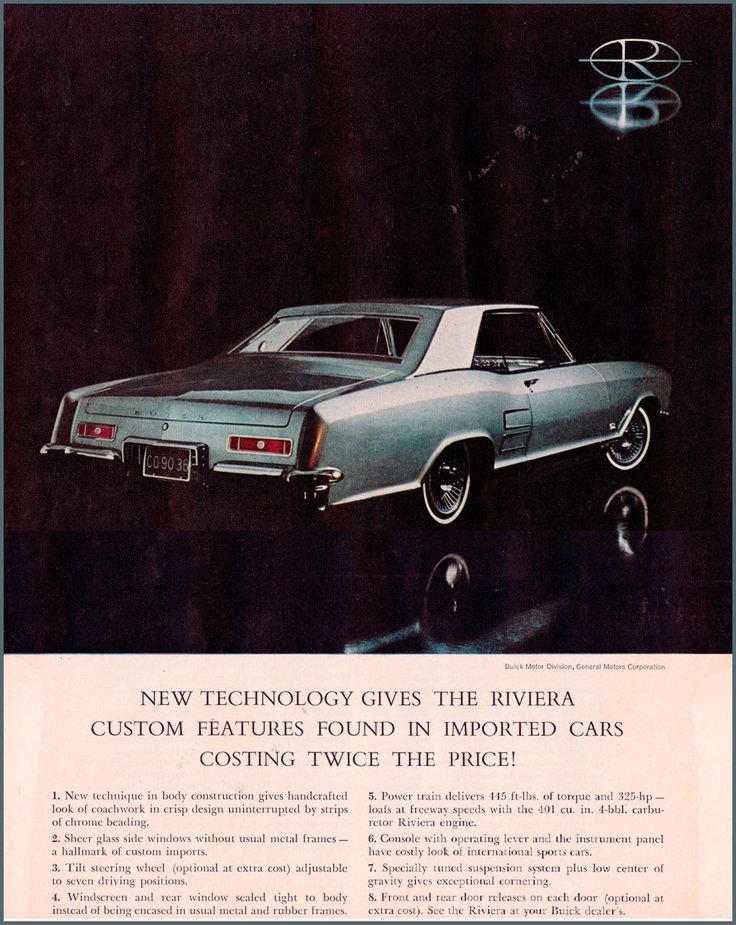
1963 Buick Riviera advertising.
The first Buick Riviera design originated with GM project XP-715. The project was initially associated with Cadillac and the LaSalle name. Cadillac ultimately did not pursue the project, which gave Buick the opportunity to develop the automobile. Nickles produced the original sketches, and Mitchell approved the design direction and ordered a full-size clay model to be built. The proposed Riviera was a low-silhouette coupe with a long hood and short deck. By 1961, the rear-end design was approaching its final form, and Mitchell was pleased with the results.
The Riviera design also carried styling influences from the LaSalle. The original design called for concealed headlights, but engineering and cost considerations prevented that feature from being used on the 1963 production model. Instead, the car received four fixed headlights integrated into the grille. The result was a clean and distinctive front-end design that helped separate the Riviera from other Buick models.
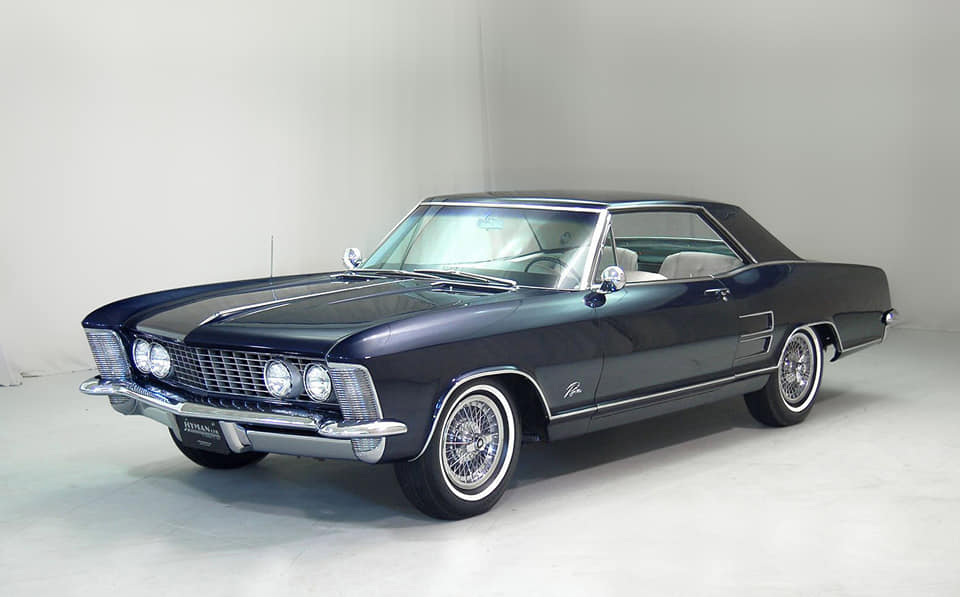
Buick Riviera model in Black.
The 1963-1964 Buick Riviera represented the personal luxury automobile market. Some automotive historians have noted that the new Riviera had styling unlike anything else in the Buick lineup for 1963. The car combined sporty styling with the comfort and luxury that Buick customers expected. It was a two-door, four-passenger hardtop with front bucket seats and a center console. Vinyl upholstery was standard, while leather was available as an option.
The interior of the Riviera was carefully designed to complement its exterior appearance. Customers could order a variety of convenience and luxury features, including power windows, power seats, air conditioning and other equipment. The car also offered an AM radio and other available options that added to its appeal as a personal luxury automobile.
For 1964, Buick showed a growth within the automotive market and the Buick Riviera models continued to do very well in the sales marketplace. Buick’s most expensive model was the Buick Riviera with a price tag of $ 4,385 dollars. For 1964, the Buick Riviera still offered that attractive automotive design that most Buick consumers enjoyed and liked. The front end and overall design of the vehicle was about as distinctive as a model could be found in the automotive industry. For 1964, the Buick Riviera models stayed the same for the model year with very little changes.
The standard engine for the 1963 Riviera was Buick's 401-cubic-inch V-8, rated at 325 horsepower. An optional 425-cubic-inch V-8 produced 340 horsepower. The Riviera's performance, combined with its distinctive styling, helped establish the model as a serious competitor to the Ford Thunderbird. Buick limited 1963 Riviera production to 40,000 cars, and the company reached that figure.
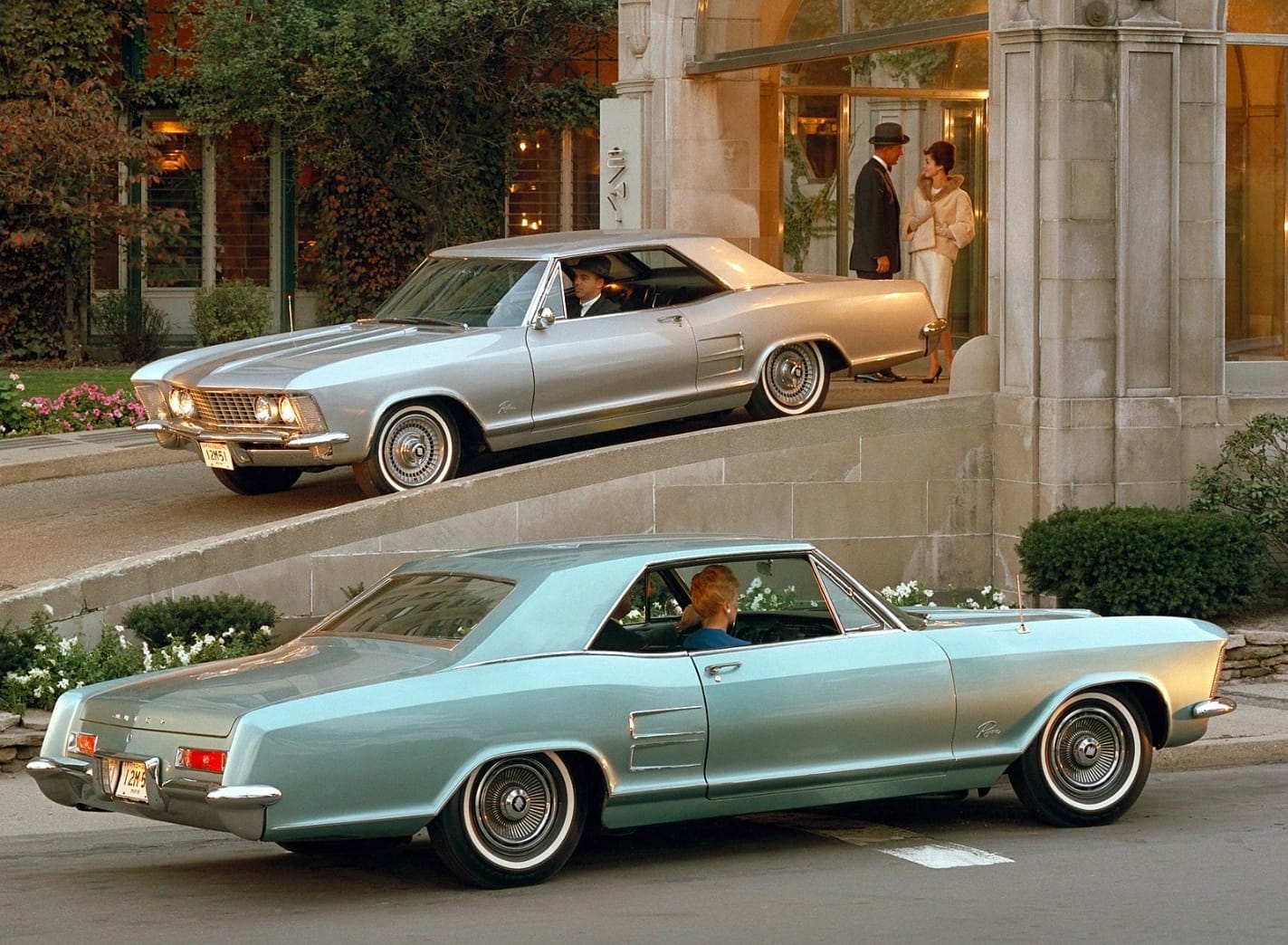
Two Buick Riviera models.
Two of Buick's young engineers also played important roles in the development and presentation of the new concept. Phillip C. Bowser and Shirrell C. Richey were General Motors engineers who were involved with the Riviera's engineering development. In January 1963, Bowser and Richey presented a paper at an SAE conference describing the emerging market for what GM called distinctive luxury sport domestic cars. Their presentation reflected the changing automobile market and the type of vehicle Buick had created with the Riviera.
For 1964, Buick continued to build on the success of the Riviera. The basic design remained largely unchanged, although Buick made several styling and equipment updates. The 425-cubic-inch V-8 became the standard engine, producing 340 horsepower, while an optional dual-four-barrel version produced 360 horsepower. The Riviera continued to offer the distinctive styling that had made the 1963 model so popular.
The 1964 Buick Riviera had a base price of approximately $4,385, making it Buick's most expensive model at the time. The car continued to attract attention because of its distinctive styling, luxurious interior and strong V-8 performance. Production totaled 37,658 cars for the 1964 model year.
Color illustration of the Buick Riviera model.
Some automotive historians have described the 1963-1964 Buick Riviera as one of the finest designs of its era. The Riviera gave Buick an automobile unlike anything else in the General Motors lineup. It was a successful combination of style, performance and luxury. For Buick, the Riviera was the right car at the right time because it gave the division a distinctive automobile that could compete in the growing personal luxury market.
The 1963-1964 Buick Riviera offered classic styling that established the foundation for the first generation of Riviera automobiles. Bill Mitchell, Ned Nickles and the many engineers and designers who worked on the project created a car that continues to receive recognition for its design. Today, the 1963 and 1964 Rivieras have become highly collectible automobiles and are sought after by Buick collectors and automotive enthusiasts.
The first-generation Riviera remains an important example of the period when American automobile designers were creating cars that combined luxury, performance and distinctive styling. Its clean lines and sophisticated appearance helped change the public's perception of Buick and demonstrated that the division could produce an automobile that was both luxurious and sporty.
For more information about the 1963-1964 Buick Riviera and other Buick automobiles, contact the Buick Club of America at This email address is being protected from spambots. You need JavaScript enabled to view it. or 763-420-7829.
Bibliography
Dammann H. George. “Seventy Years of Buick” Crestline Publishing 1973.
Jim Dunne & Jan P. Norbye. “The Postwar Years Buick” Motorbooks International 1978.
Dunham B. Terry & Gustin R. Lawrence. “The Buick A complete History” Automobile Quarterly Publication/ Staff 2002.
Curbside Classic: 1963 Buick Riviera — development, engineering and the Bowser/Richey SAE presentation.
HowStuffWorks: How Buick Works — historical development, XP-715, engines and production.
Riviera Owners Association: Production Statistics — production figures and model information.
Classic & Sports Car: The most beautiful classics ever — historical recognition of the Riviera's styling.