
Honoring My Good Friend, Ronn Pittman — Auto Historian and Car Collector
By Robert Tate, Award‑Winning Automotive Historian/Researcher
Images Courtesy of the Robert Tate Collection and the Ronn Pittman Collection
Published 03.25.2026
During our lifetime, we sometimes meet a special person who leaves a lasting, positive influence—someone who becomes part of our life’s story for decades. As many of you know, I am not only an automotive historian and researcher, but also an antique toy car collector. My friendship with fellow collector Ronn Pittman began in 1969, when I was in the sixth grade at MacDowell Elementary School.
Back then, Ronn lived in Batavia, Illinois. I called him—long distance—to introduce myself and to learn more about collecting toy cars, a hobby I already loved. Those early phone calls added up quickly, increasing my mother’s phone bill to $100. In 1969, that was a very expensive surprise! But the calls were worth every penny, because over the years, Ronn and I became lifelong friends.
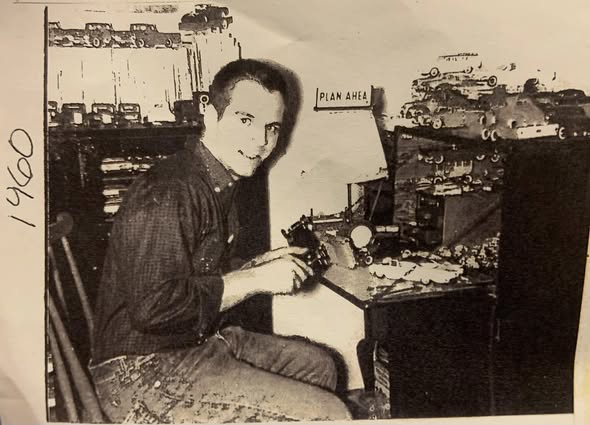
Ronn collected miniature toy cars long before I did—beginning in 1955—later expanding his passion to full‑size collector automobiles. His collection has included a 1965 Chevrolet station wagon, a 1955 DeSoto four‑door sedan, a 1956 Chevrolet Nomad, and many other remarkable vehicles. For years, he owned and operated a repair garage in Illinois during the 1960s and 1970s. From Pontiacs to Hudsons, Ronn became a walking encyclopedia of automotive history.
He also worked as an appraiser for collector cars ranging from the 1920s to the present and earned numerous awards for his restoration projects. Many of you who read Collectible Automobile magazine may recognize the “Collectible Scale Auto” column written by Dennis Doty—the miniature car images featured there often came from Ronn’s own collection.
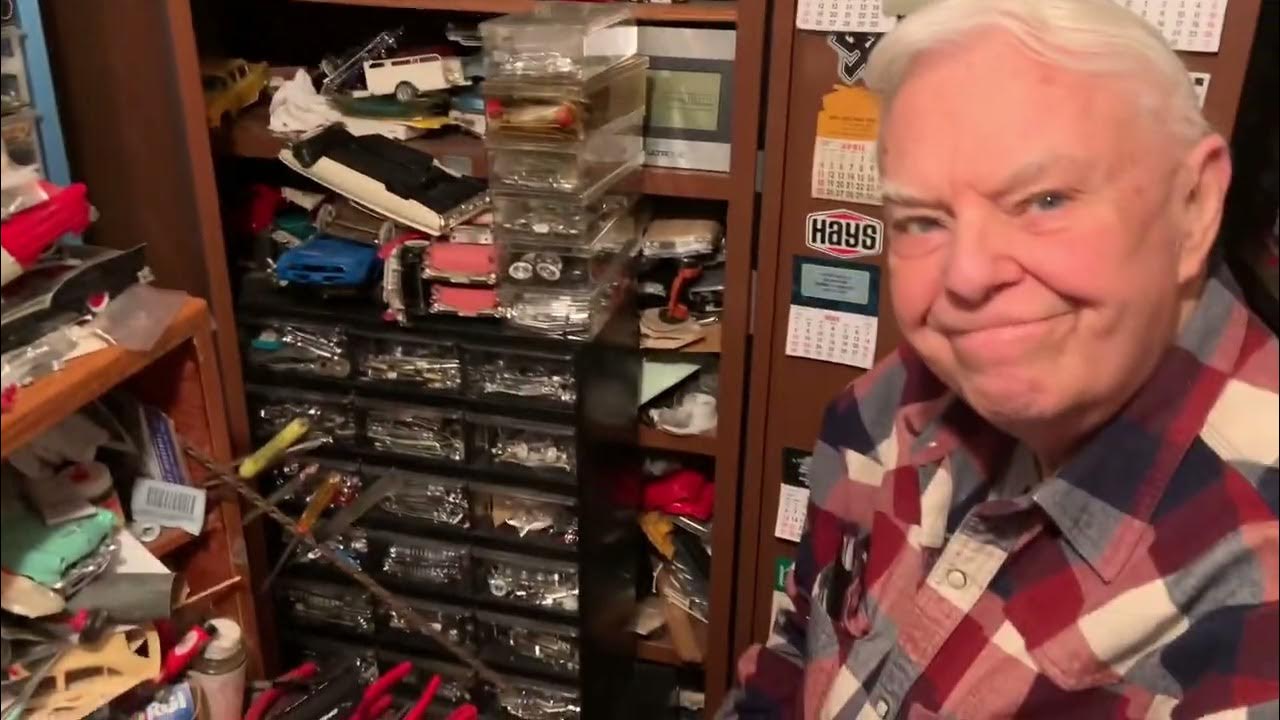
Throughout my life, Ronn has inspired countless collectors, automotive enthusiasts, and historians around the world. He shared his knowledge generously, teaching me about everything from Ramblers to Henry J’s to Hudsons. His encouragement has stayed with me for 57 years.
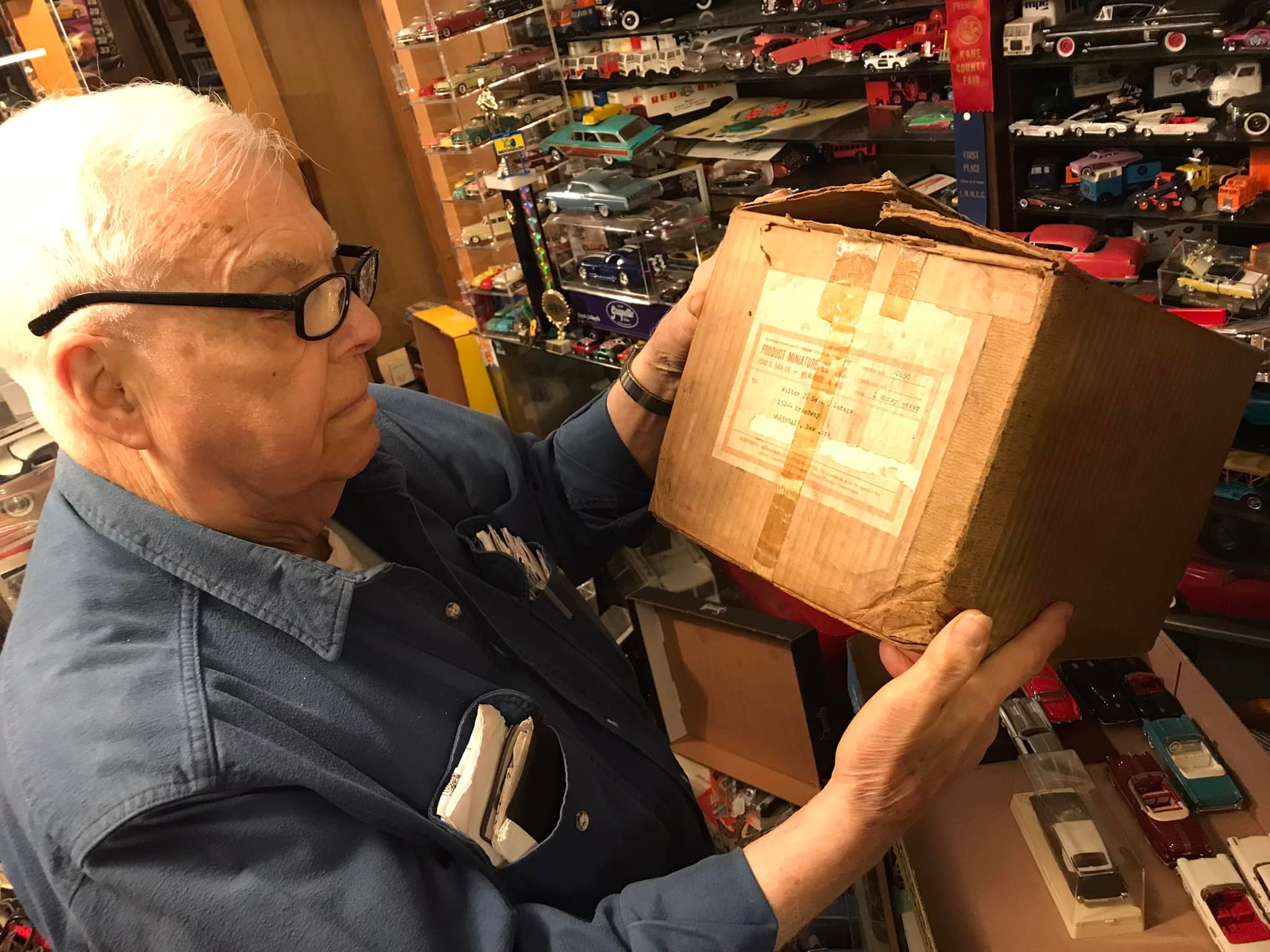
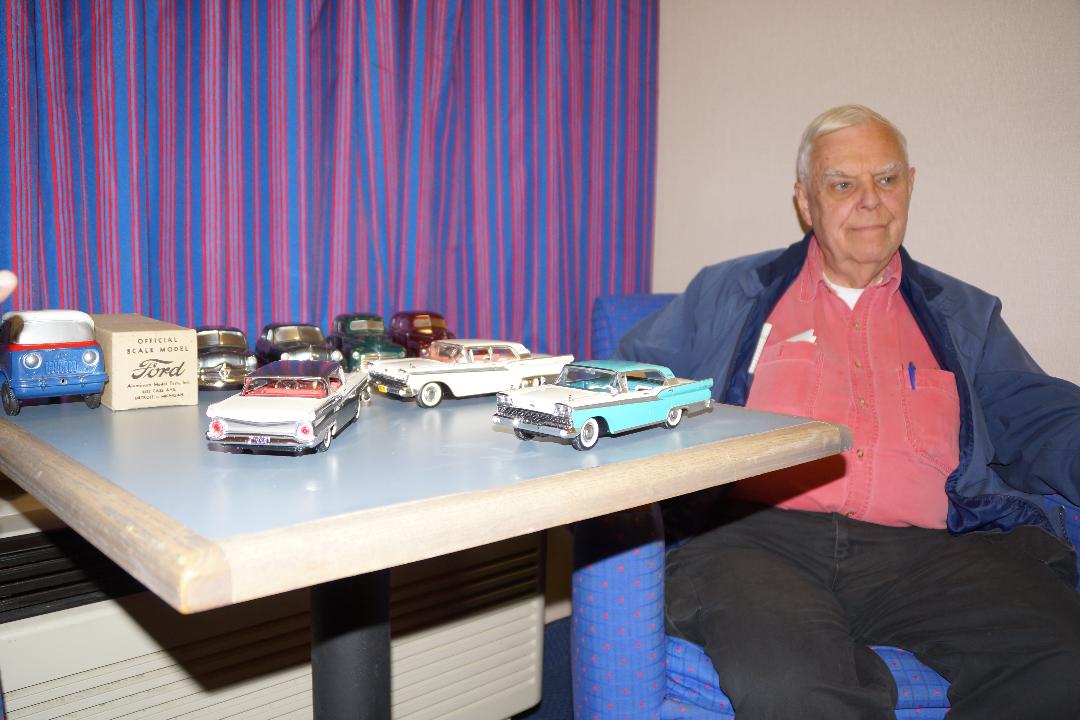
Ronn and I were also among the first toy car collectors involved in the now‑famous Toledo Toy Show in Maumee, Ohio. That show began in the garage of the late Herb Jackson in 1972, back when I was still a kid. For many years, Ronn, myself, and other collectors gathered at the show, where Ronn often had two tables filled with duplicate models and pieces he sold for other collectors. At the end of each day, a group of us would gather in Ronn’s hotel room for “show and tell,” sharing our latest finds or treasured pieces from our personal collections.
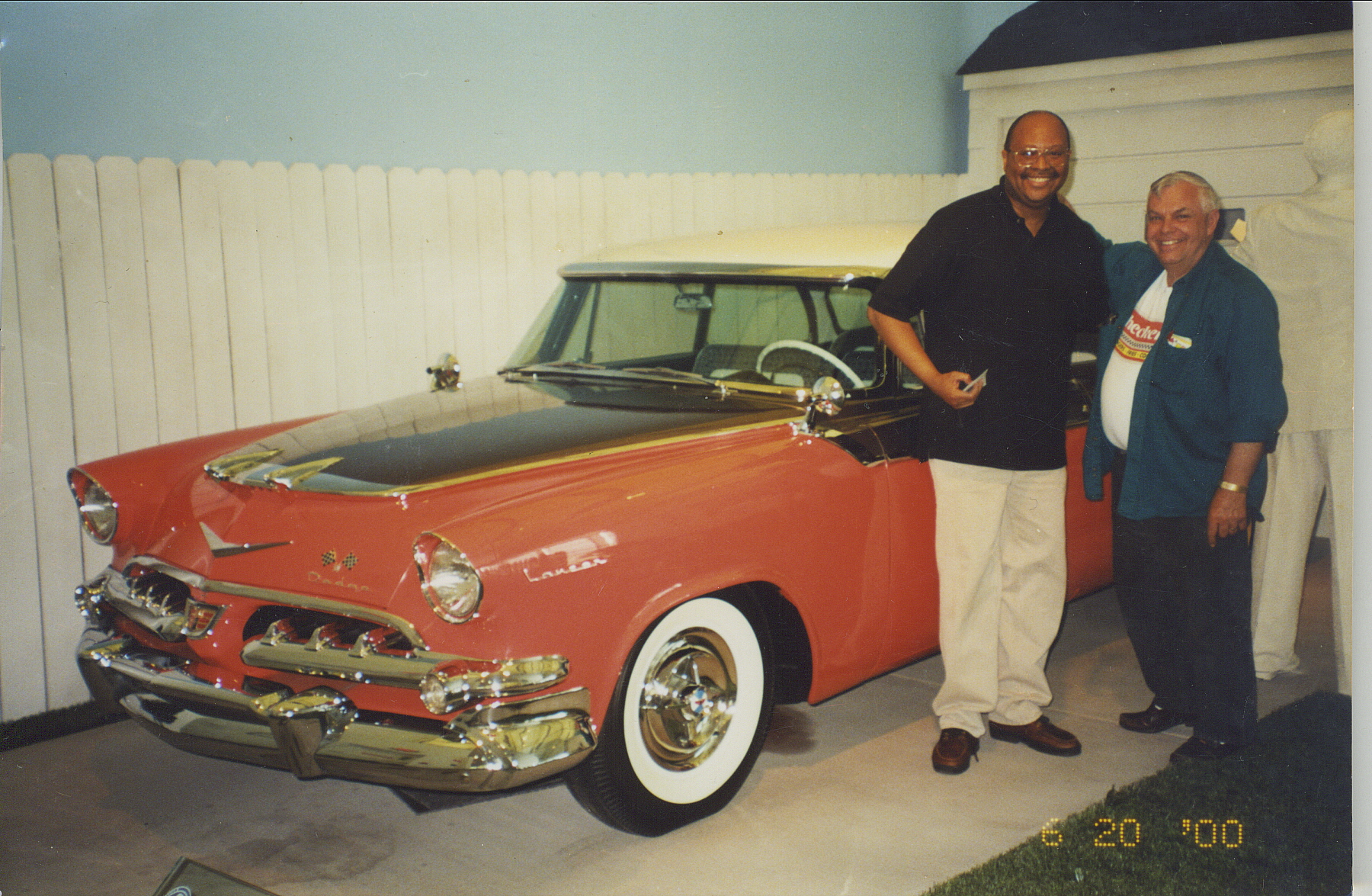
Those were the best of times—old friends, great stories, and shared passion for automotive history. I cherish those memories deeply, especially now, as many of my collector friends have passed on.
Last month brought difficult news. My good friend Ronn suffered a stroke in his sleep. I spoke with his son Rick and his wife Pat—his partner of more than sixty years—and they told me he is doing a little better. Ronn is still in the hospital receiving excellent care.
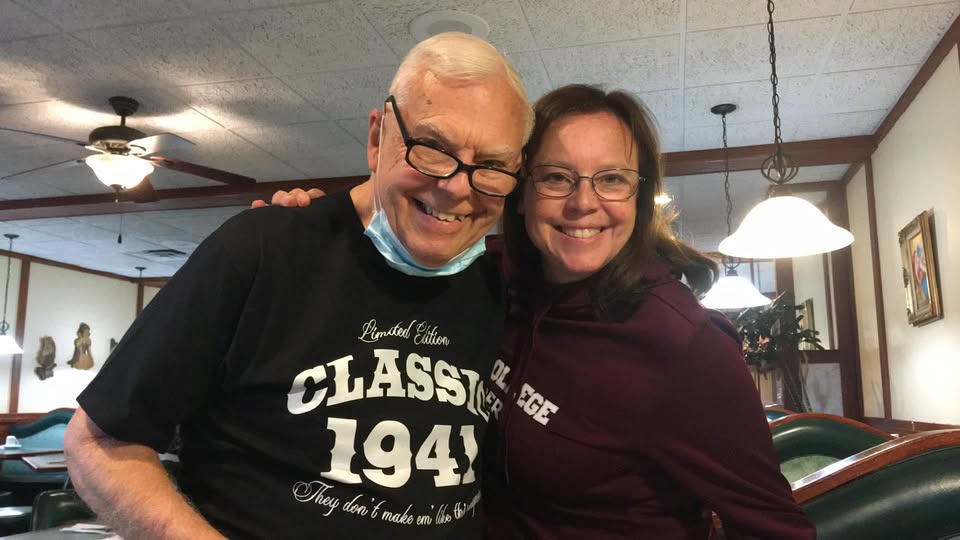
I believe in the power of prayer, and I know prayer works. Ronn has always blended his love for family, the automotive hobby, and his community. Sometimes God places people in our lives to shape who we become on this earth. For me, Ronn Pittman is one of those people, and I am grateful for every one of our 57 years of friendship.
By Robert Tate Award Winning Automotive History Researcher.
Images Courtesy of Boulevard Photographic
Published 3.18.2026
By Robert Tate Award Winning Automotive Historian/Researcher.
Images Courtesy of Henry Ford Media Center Archives.
Published 3.11.2026
by A. Wayne Ferens
Published 3.04.26
Published 2.25.26
MotorCities Deputy Director, Brian Yopp sat down with Jill, Daniel and John to discuss the Automotive Foundations program. Check out the video interview here
By Robert Tate, Award-Winning Automotive Historian/Researcher
Images Courtesy of General Motors Heritage Archives / Henry Ford Media Center Archives
Published 2.18.2026
By Robert Tate Award-winning Automotive Historian and Researcher.
Images courtesy of Duesenberg Motors Inc.
Published 2.11.2026
By Robert Tate, Automotive Historian/Researcher
Published 2.04.2026
Read more: George Romney helped shape the auto industry during the 1950s
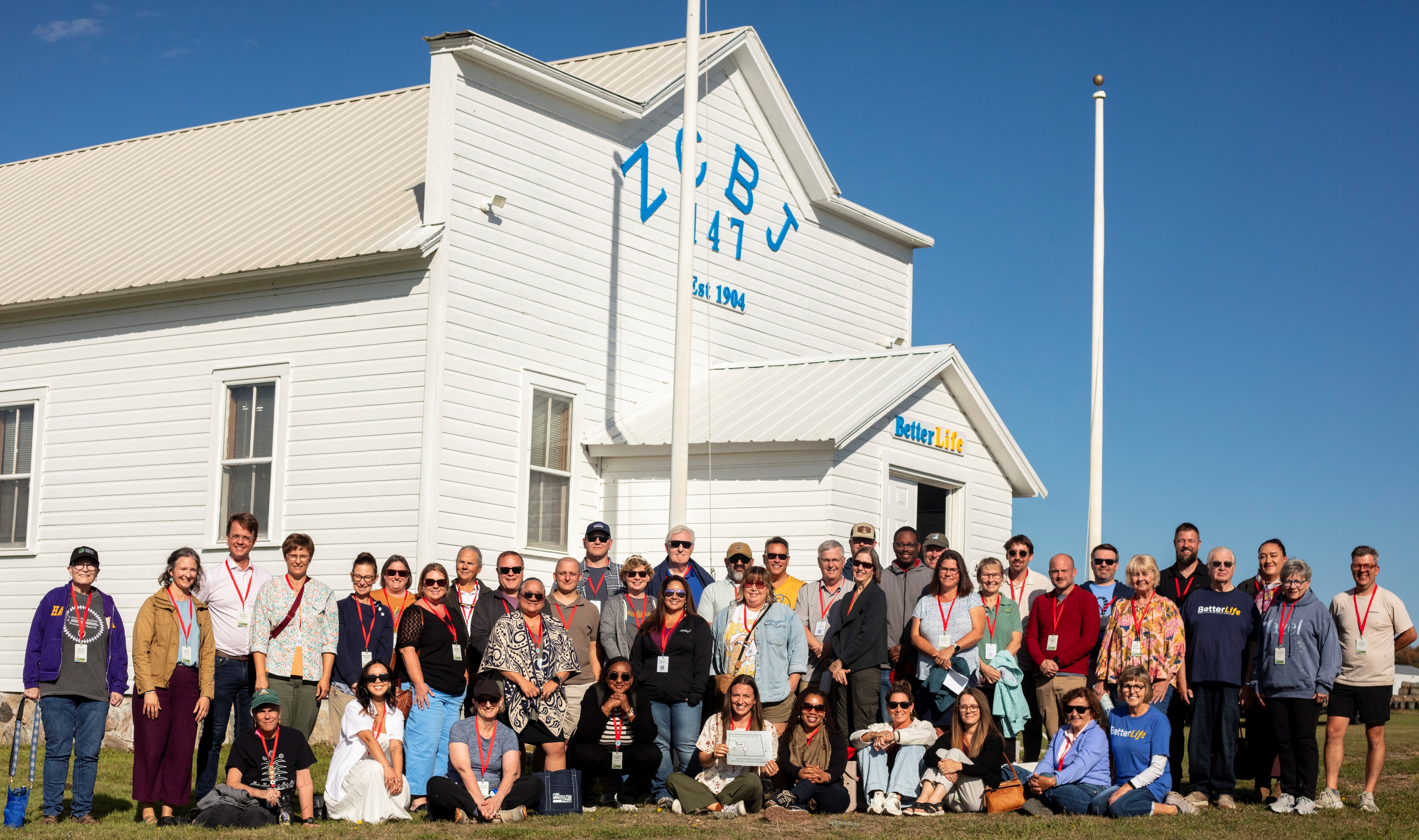 Alliance of National Heritage Area in Northern Plains NHA in North Dakota - Sep. 2025
You should know that MotorCities National Heritage Area is not the only place across this counrty which recognizes its unique contributions to America's history. We are one of 62 NHAs and are a part of the Alliance of National Heritage Areas (pictured above).
By Award Winning Automotive Historian/Researcher Robert Tate
Courtesy of General Motors Heritage Archives
Published 1.21.26
Read more: Remembering the First Generation 1967 Chevrolet Camaro
A Look Back at the Walter P. Chrysler Museum
By Award-Winning Automotive Historian Robert Tate
Images Courtesy of Stellantis Chrysler Archives
Published 1.14.2026
By Robert Tate, Award-Winning Automotive Historian and Researcher
Images Courtesy of Ford Motor Company Archives/Norman Rockwell Museum
Published 1.7.2026
Read more: The Ford Model T : A Milestone in Automotive History